
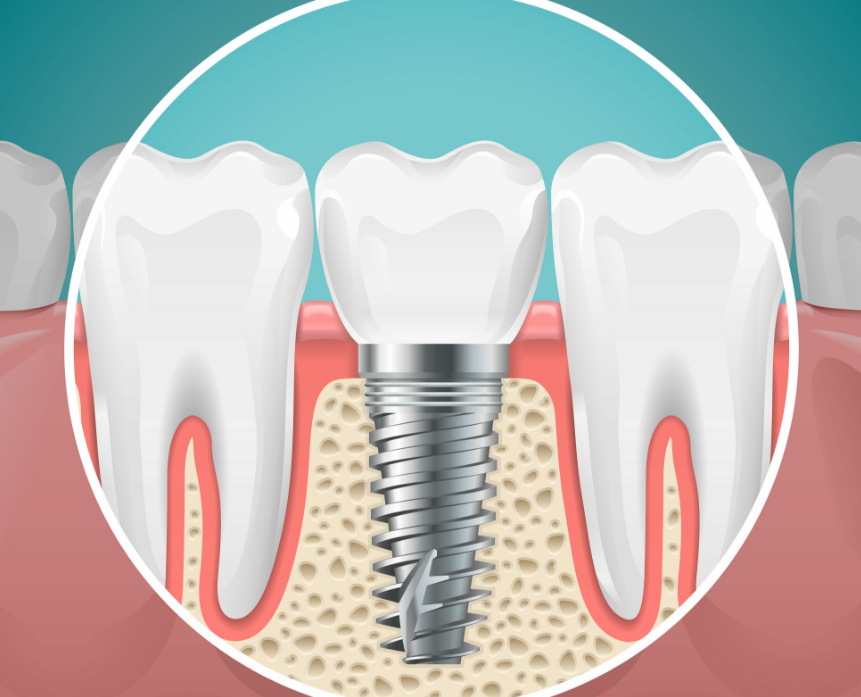
Dental implants are one of the most durable and reliable tooth replacement options available today. Made from strong, biocompatible materials, they are designed to last for decades with proper care. Still, some patients wonder whether implants can rust over time, especially since they contain metal. While the idea is understandable, the reality is reassuring: rust on dental implants is extremely rare. Understanding why can give you peace of mind if you’re considering implants or already have them.
What Materials Are Dental Implants Made From?
Most dental implants are crafted from titanium or titanium alloys, which are known for their strength, durability, and excellent compatibility with the human body. Titanium is widely used in medical devices such as joint replacements and bone screws because it integrates naturally with bone and resists corrosion.
Some implants are also made from zirconia, a high-strength ceramic material. These metal-free implants appeal to individuals seeking a more holistic option or those with metal sensitivities. Zirconia implants are also highly resistant to corrosion and do not rust.
The design and materials used in modern implants make rust extremely unlikely, even after many years inside the mouth.
Why Titanium Implants Don’t Rust Easily
Rust occurs when iron reacts with oxygen and moisture. Titanium contains no iron, which is why it doesn’t rust the way iron-based metals do. Instead, titanium naturally forms a thin, protective oxide layer when it’s exposed to oxygen. This layer actually shields the implant from corrosion and makes it more resistant to environmental factors—such as saliva, food acids, and temperature changes.
Even when the protective layer is disrupted, it repairs itself almost immediately. This self-healing property is one of the reasons titanium has become the preferred material for dental implants and other medical-grade devices.
Could Corrosion Ever Happen?
Although it is extremely rare, corrosion can occur in unusual circumstances. Factors that may increase the risk include a poorly manufactured implant, exposure to certain chemicals, or severe oral infections that compromise the surrounding tissues. In very rare cases, two different metals in the mouth can interact, creating a reaction known as galvanic corrosion. However, this is uncommon, and dentists use materials specifically designed to prevent this issue.
Patients with proper oral hygiene habits and routine dental care almost never experience implant corrosion. Regular checkups ensure the tissues around the implant remain healthy, which further protects the implant from complications.
How to Keep Your Dental Implants Healthy Long-Term
Even though rust is unlikely, maintaining healthy gums and bone is essential for the longevity of your dental implants. Brushing twice a day, flossing daily, and using implant-friendly tools like interdental brushes can keep plaque from accumulating around the implant site. Routine professional cleanings also help ensure the implant and surrounding tissues stay healthy.
If you ever notice unusual tastes, odors, sensitivity, or inflammation around your implant site, seeing your dentist promptly can prevent small issues from becoming more serious.
Dental implants are engineered to withstand the daily demands of chewing, speaking, and smiling, making rust and corrosion extremely rare.
About the Practice
At Troisi Dentistry, Dr. Zane Wayland Berry and his dedicated team provide high-quality dental implant care using advanced materials designed for long-term success. We offer personalized implant evaluations, modern placement techniques, and comprehensive follow-up care to ensure each patient enjoys a healthy, functional, and confident smile.
Call us at (757) 548-1611 or request an appointment online.