
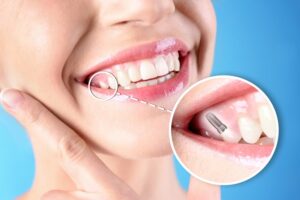
Dental implants are one of the most reliable and long-lasting solutions for replacing missing teeth. Because they look, feel, and function like natural teeth, many patients wonder whether implants are also vulnerable to the same dental problems, especially cavities.
The simple answer is no, dental implants cannot get cavities. However, that doesn’t mean they are completely maintenance-free.
Why Dental Implants Don’t Get Cavities
Natural teeth develop cavities when bacteria in the mouth produce acids that break down tooth enamel. Dental implants, on the other hand, are made from materials such as titanium and ceramic or porcelain crowns.
Since these materials are not organic and do not contain enamel, they cannot decay the way natural teeth do. This makes implants highly resistant to tooth decay and one of their biggest long-term advantages.
But while the implant itself can’t get a cavity, the surrounding tissues still require proper care.
The Real Risk: Gum Disease Around Implants
Even though implants don’t decay, they can develop a condition called peri-implant disease. This occurs when bacteria accumulate around the implant and infect the surrounding gum and bone tissue.
In its early stage, known as peri-implant mucositis, gums may become red, swollen, or bleed easily. If left untreated, the infection can progress to peri-implantitis, which can damage the supporting bone and potentially lead to implant failure.
In many ways, this condition is similar to gum disease around natural teeth.
Implants Still Require Daily Care
Some patients mistakenly believe implants don’t need brushing or flossing because they can’t get cavities. In reality, excellent oral hygiene is essential for keeping implants healthy.
To protect your implant investment:
- Brush at least twice daily using a soft-bristled toothbrush.
- Floss carefully around the implant.
- Use antimicrobial or dentist-recommended rinses if advised.
- Attend regular dental cleanings and exams.
Professional cleanings allow your dentist to monitor gum health and detect early signs of inflammation before serious problems develop.
Lifestyle Habits Matter
Certain habits can increase the risk of complications around dental implants. Smoking, teeth grinding, poor oral hygiene, and uncontrolled medical conditions can all affect implant longevity.
Maintaining healthy routines helps ensure your implant remains stable and functional for many years.
While dental implants themselves cannot get cavities, they are not immune to problems. Healthy gums and strong supporting bone are essential for implant success. Think of dental implants as cavity-proof, but not care-proof.
About the Author
Dr. Zane Wayland Berry graduated Magna Cum Laude from Virginia Commonwealth University with his Doctor of Dental Surgery degree and completed a residency in Advanced Education in General Dentistry at Langley Air Force Base. To this day, he prioritizes advanced training through memberships with professional organizations, including the American Association of Orthodontists, the Academy of General Dentistry, and the American Dental Association. Dr. Berry has also won the “Top Dentist” award in Coastal Virginia Magazine for more than 5 years in a row. Interested in dental implants? Book online or call (757) 548-1611.